Business Brokers in Lockhart Who Stay on Your Deal to Closing
We help owners sell a business, get an honest valuation and plan an exit, and we help buyers find and finance an established company or franchise. Our small team works deals across Lockhart, San Marcos and Luling, and the person who takes your first call is still on the file at closing.
- No cost to list
- Our fee comes from closing
- Blind listings, signed NDAs
- One team on every file
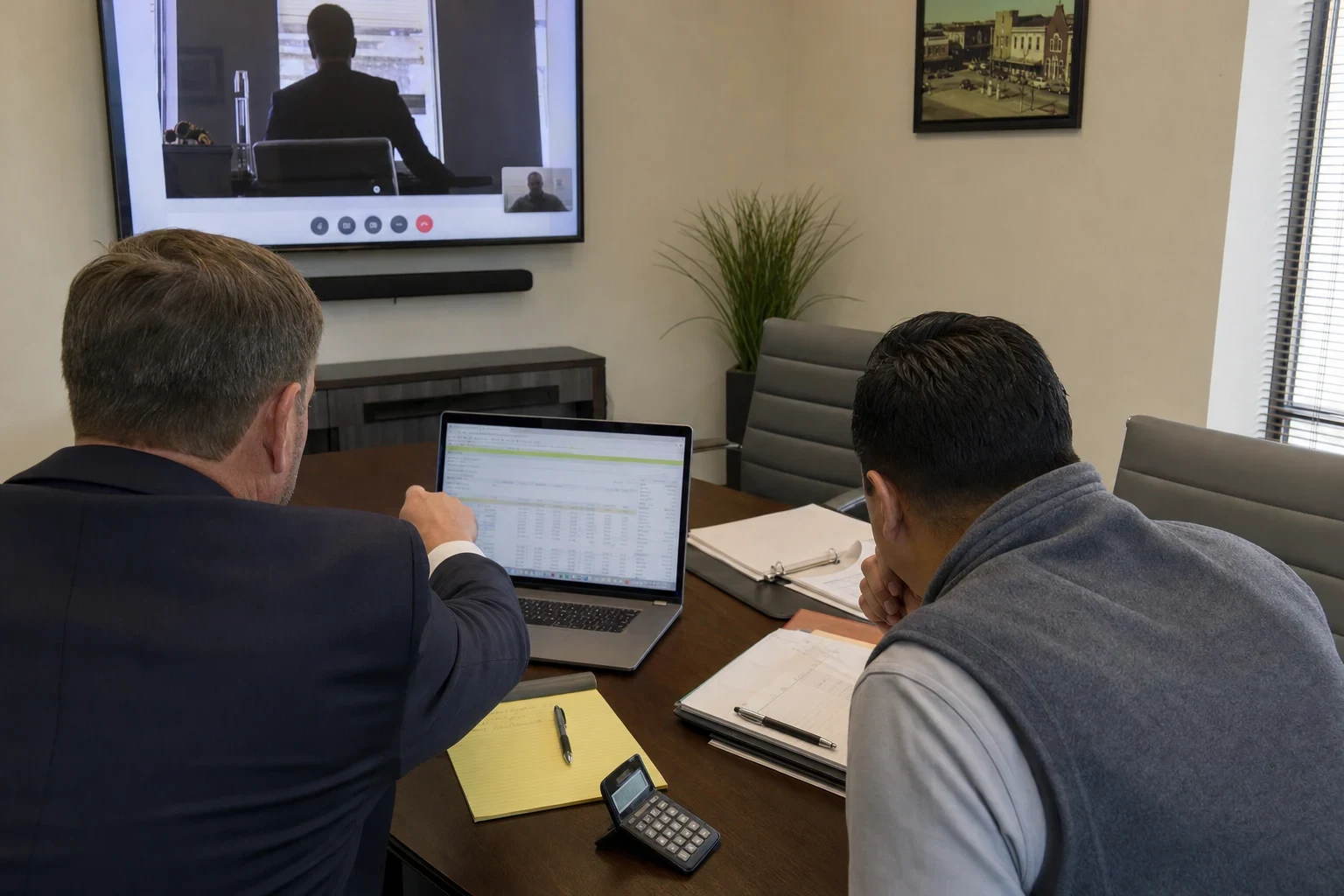
How a Sale Runs From First Call to Closing
Timelines vary with size and financing, but the steps are the same for most private company sales.
- 1
Confidential valuation
We review your tax returns, profit and loss statements, equipment list and lease, then walk you through the value range and the reasoning behind it. You decide whether to sell, wait or prepare first.
- 2
Marketing package and blind listing
We write a confidential business profile that describes the opportunity without naming you. It goes to registered buyers first, then to wider listing channels.
- 3
Buyer screening and offers
Buyers sign an NDA and show funds or lender prequalification before getting details. We arrange meetings, field questions and help you compare letters of intent on price, terms and contingencies, not just the headline number.
- 4
Due diligence and financing
The buyer verifies your records while their lender, often through an SBA 7(a) loan, underwrites the deal. We keep document requests organized and on schedule so the deal does not stall.
- 5
Closing and transition
Attorneys finalize the purchase agreement, funds move through escrow and you hand over keys, accounts and training as agreed. We stay involved through the transition period.
What We Do for Sellers and Buyers
Most of our work is selling privately owned companies and matching serious buyers to them, backed by a written business valuation that shows how we reached the number. We also handle exit planning, franchise resales, sales that include the building, partner buyouts and succession, and mergers and acquisitions for larger owners. Buyers get acquisition financing guidance so a lender sees a clean package. Over $5 million in businesses sold so far, each one worked by the same small team.
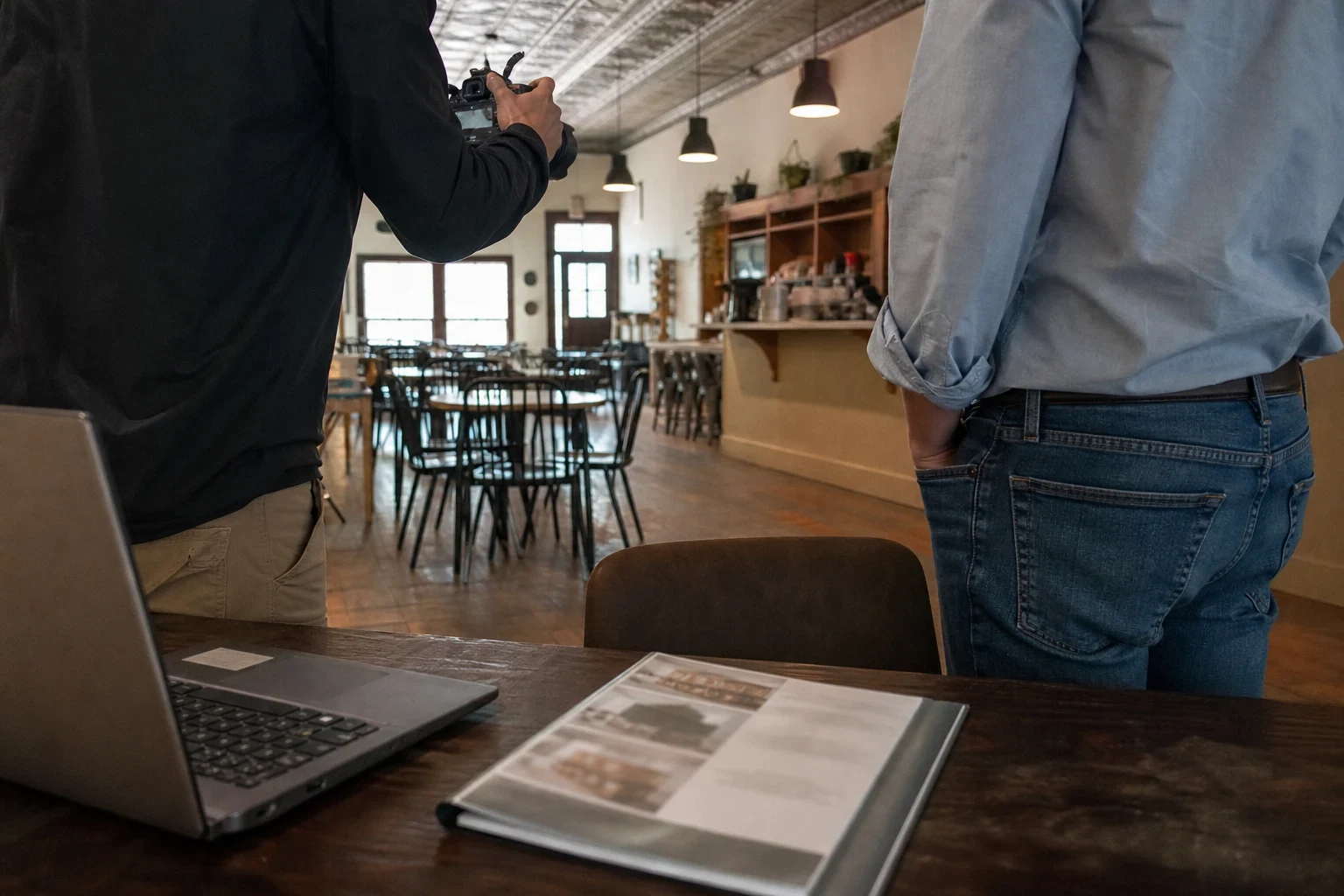
Sell a Business
We recast your financials, market your company under NDA, screen buyers for real financing capacity and stay on your deal through closing.
Business Valuation
A free, confidential valuation built from your recast earnings, comparable sales and lease terms, with every number explained.
Buy a Business
We help buyers find listed businesses, read the real numbers behind the asking price and carry an acquisition through financing and closing.
Exit Planning
A step-by-step plan to make your business sellable, set your timeline and decide who buys it, built by the same small team that would later run your sale.
Mergers and Acquisitions
Help buying another company or combining with one, from valuation and the letter of intent through due diligence and closing.
Franchise Resales
We price franchise units, screen buyers against franchisor criteria and manage approval, training and the lease transfer through closing.
Business and Property Sales
When you own the building your company runs from, we price the business and the property separately and structure one deal, or a sale plus lease, that buyers can finance.
Acquisition Financing
Help lining up SBA loans, seller notes and buyer cash so the business you want to buy can actually be financed.
Partner Buyouts and Succession
When a partner wants out or the next generation is ready to take over, we value the shares, shape the terms and help line up financing so the business keeps running.
Where We Work
We are based in Lockhart and work with sellers and buyers across Caldwell County and the surrounding area. That includes owners and buyers in Luling, San Marcos, Kyle, Buda, Cedar Creek and Redwood.
- Lockhart
- Luling
- San Marcos
- Kyle
- Buda
- Cedar Creek
- Redwood
Since valuations, buyer meetings and document reviews happen at our office or by phone and video, distance is rarely an issue. If your business is outside these towns, ask us on the first call.
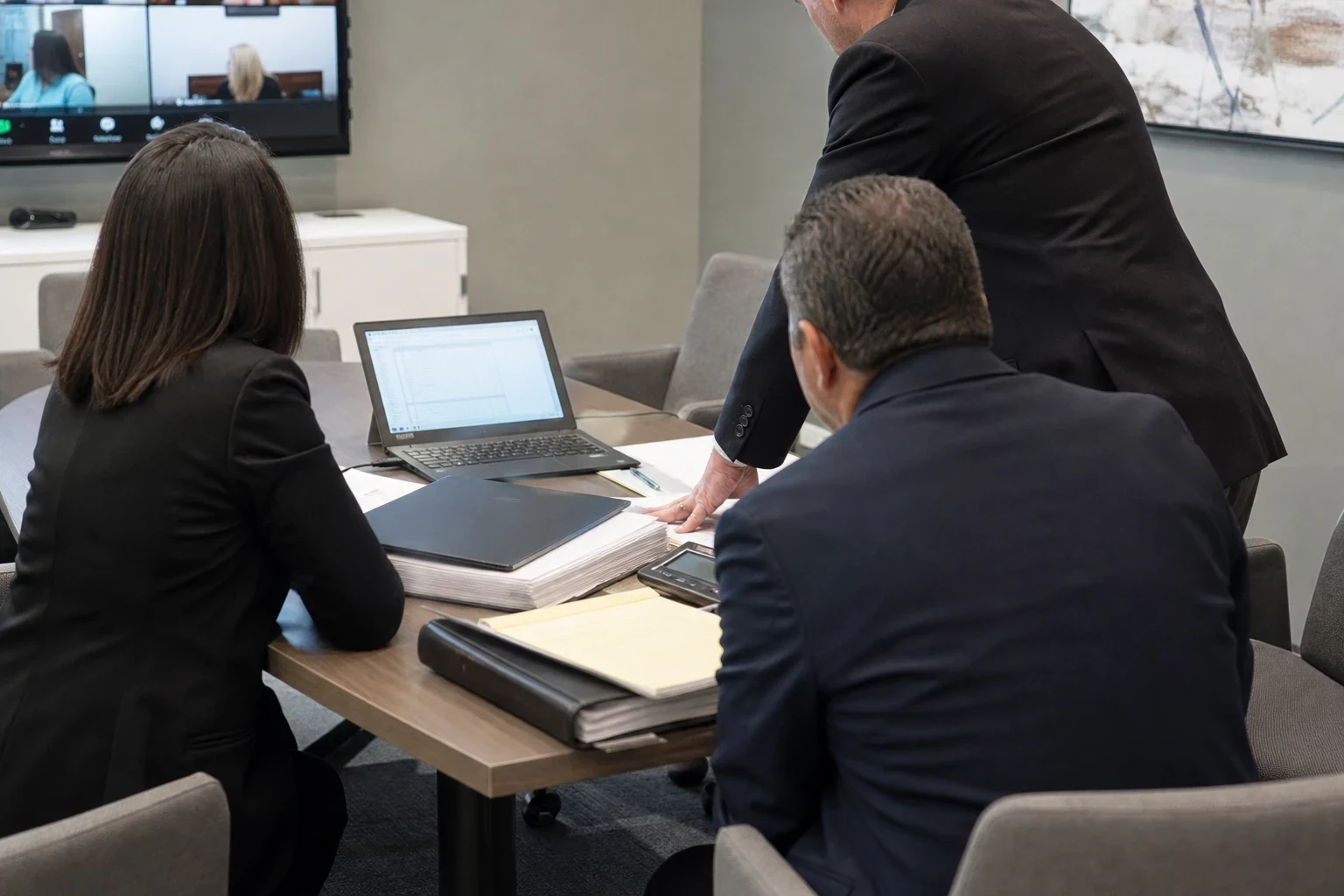
A Small Brokerage, on Purpose
We kept this firm small so that the people who meet you are the people who do the work. A business sale involves your accountant, your attorney, the buyer's lender and sometimes a landlord or franchisor, and someone has to keep all of them moving. On our deals that is the same person every week.
We work from our office and by phone and video, which makes it easy for owners who are still running the business every day. Sellers come to us to exit, retire or step back. Buyers come to us for an established company with real cash flow instead of a startup. Both get straight answers about what the numbers support.
- Certifications
- Over $5 million in businesses sold
What Shapes Your Sale Price and Your Cost
There is no fee to start. Our compensation comes from the closing, so the real questions are what your business is worth and how complicated the deal will be. These are the factors that move both.
Your valuation is free and confidential, and we explain how our closing fee works on the first call so nothing comes as a surprise. You get every figure in writing before you list.
- Documented earnings
- Value usually starts from seller's discretionary earnings: net profit plus your salary, personal expenses run through the company and one-time costs. Every add-back needs a receipt or tax return line behind it, because a buyer's lender will check.
- Owner dependence
- If customers call your cell phone and only you know how to quote a job, a buyer is paying for a transition risk. Written procedures and a capable second-in-command raise the multiple.
- Real estate and the lease
- Selling the building with the business changes financing, appraisal and closing steps. If you lease, the remaining term and whether the landlord will assign it can make or break a buyer's loan.
- Deal structure
- Asset sales and stock sales are taxed differently for each side. Inventory, equipment, working capital, a seller note or an earnout all get negotiated and affect what you actually take home.
- Condition of the records
- Three years of clean tax returns and financial statements that match make due diligence faster. Messy books add weeks and invite price reductions late in the deal.
Why Owners Work With a Small Brokerage
A business sale runs for months and touches your books, your lease, your staff and your lender. Fewer hands on the file means fewer things lost between them.
- 01
One team, start to finish
The person who builds your valuation also writes your listing, screens your buyers and sits in on due diligence. You never have to re-explain your add-backs or your customer list to someone new halfway through.
- 02
Confidentiality built into every step
Your listing goes out as a blind profile with no company name. A buyer signs a non-disclosure agreement and shows proof of funds before seeing financials, so employees, vendors and competitors do not hear about the sale early.
- 03
Our fee depends on your closing
Listing with us costs you nothing at the start. We do not charge a retainer, and no extra charges show up later in the paperwork. Our compensation is earned only when your sale closes and you are paid, which keeps us focused on a finished deal at a fair price rather than a signed listing.
- 04
Pricing a lender will accept
An asking price based on hope stalls when the buyer's bank orders its own review. We build value from documented seller's discretionary earnings and comparable sales so the number holds up through underwriting.
- 05
Registered buyers see listings early
Every new listing we sign is sent to our registered buyers before it is posted anywhere public. Sellers get early interest from people who have already told us their budget and financing plan. Buyers who give us their criteria in a short phone conversation get a look at fresh opportunities while they are still quiet.
Questions Owners and Buyers Ask Us
What does it cost to list my business with you?
There is no charge to list, no retainer and nothing added later that you were not told about. Our fee is taken from the sale proceeds at closing, so if your business does not sell, you owe us nothing. We walk you through exactly how the fee is calculated before you sign anything.
How do you figure out what my business is worth?
We start with seller's discretionary earnings from your tax returns and financial statements, then apply a multiple based on comparable sales, industry, owner dependence, customer concentration and the lease or real estate situation. Equipment and inventory are accounted for separately. You get a written range with the reasoning, and the valuation is free and confidential.
How do you keep the sale confidential from my employees and customers?
Listings go out without your company name or identifying details. Buyers sign a non-disclosure agreement and show financial capacity before they learn who you are. Site visits are scheduled after hours or framed however you prefer, and you decide when to tell staff, usually close to closing.
How long does it take to sell a business?
For most small companies, plan on a process measured in months rather than weeks, and a larger or more complex deal can run past a year. Three things set the pace: how clean your records are, whether the asking price lines up with documented earnings and how quickly the buyer's lender finishes underwriting. Getting your books in order before you list does more to speed things up than anything else.
How do buyers usually pay for a business?
Most use a mix of their own cash, a bank or SBA-backed loan and sometimes a seller note, where you finance part of the price over time. Lenders look closely at verified cash flow and the buyer's experience. Our acquisition financing guidance helps buyers put together the documents a lender expects.
I want to buy a business. How do I see your listings?
Register with us by phone. We ask what kind of business, price range and location you want and how you plan to finance it. Registered buyers see new listings first, and after signing an NDA you get the full financials on anything that fits.
Should I talk to you if I am not ready to sell for a few years?
Yes, that is often the best time. Exit planning gives you time to reduce owner dependence, clean up add-backs and lock in a longer lease, all of which tend to raise what a buyer will pay. A free valuation now shows where you stand and what to work on.
Start With a Conversation
Tell us where you are: selling, buying or still weighing your options. Owners get a free, confidential valuation, and buyers get registered for current listings before they go public.