ServicesBusiness and Property Sales
Business and Property Sales in Lockhart
Owning the building changes the sale. We value the operating business and the real estate on their own terms, decide with you whether to sell both or lease the property to the buyer, and keep the same small team on the deal from first call to closing.
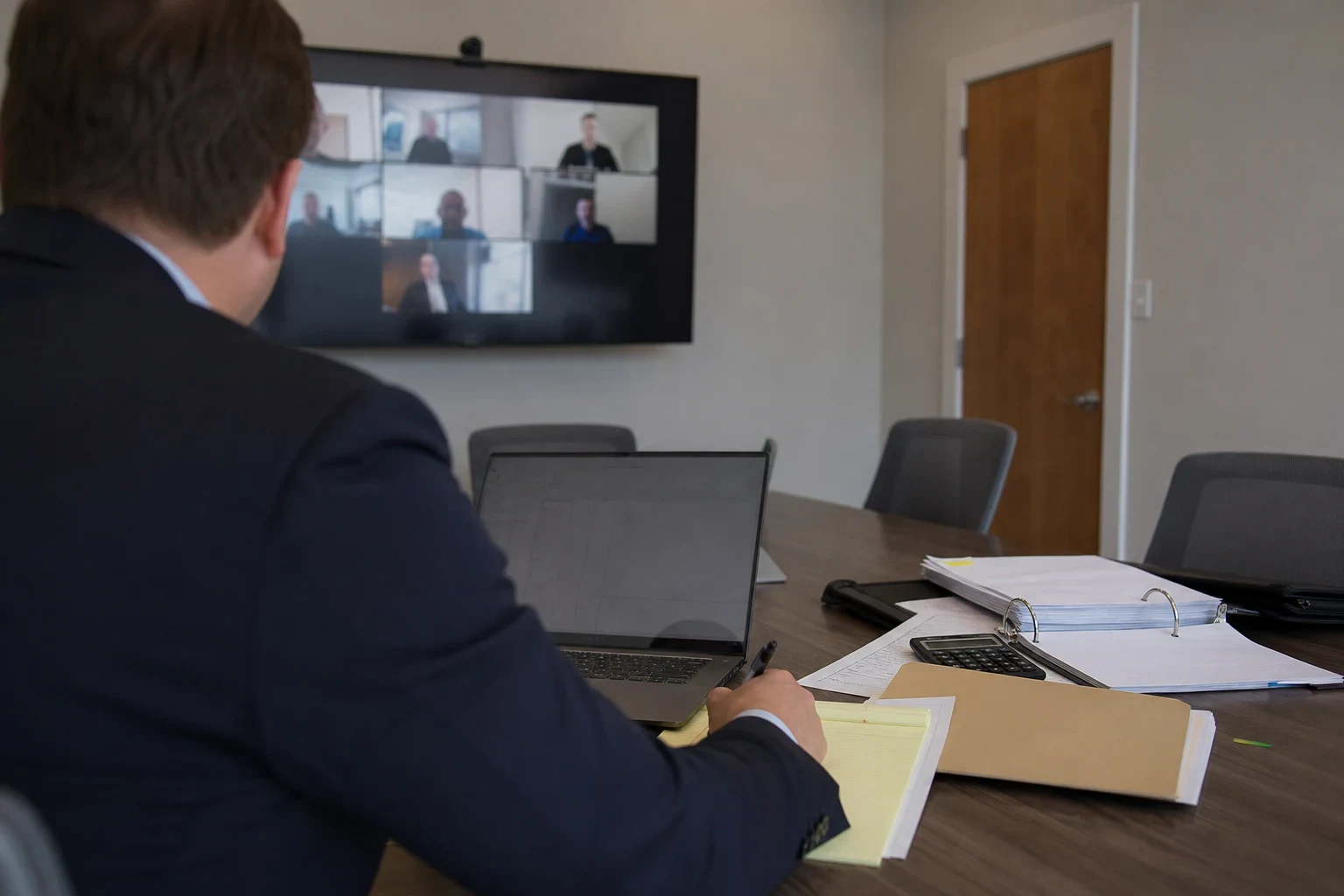
Two assets, one transaction
A business and the property under it are priced by different methods. The business is valued on its earnings, usually seller's discretionary earnings or EBITDA times a market multiple. The land and building are valued on comparable sales or the rent they could command. Blend the two into one number too early and you either underprice the property or ask a buyer to pay for earnings that are really just free rent.
We keep them separate from the start. That gives buyers and their lenders a clear allocation, and it gives you a choice: sell everything together, sell the business and keep the building as a rental, or offer a lease with an option to buy later.
The people who value your business are the same people who market it, screen buyers and sit in on the closing. With two assets moving at once, that continuity keeps details from slipping between handoffs.
What we handle on a combined sale
Separate business and property values
We build the business valuation from your tax returns and profit and loss statements, then work from a commercial appraisal or broker opinion of value for the real estate. You see both numbers and how they add up.
Sell-or-lease analysis
We compare the after-tax result of selling the property outright against holding it and collecting market rent from the new owner. Your CPA should confirm the tax side; we lay out the deal side so the conversation is concrete.
Purchase price allocation
Buyers and sellers each report the split between goodwill, equipment, inventory and real estate to the IRS. We help both sides agree on an allocation early, because it affects depreciation for the buyer and tax treatment for you.
Lender-ready deal package
Banks look at real estate and business cash flow differently. Our confidential offering memorandum presents each one the way an underwriter expects to see it.
Property due diligence coordination
We line up the title commitment, survey, zoning check and, for uses like fuel, auto service or dry cleaning, a Phase I environmental site assessment. Issues found late in these reports are a common reason combined deals stall.
Signs your sale should include the property
You pay yourself rent
If the business leases the building from you or a holding company, that lease rate shapes the earnings buyers see. A below-market rent inflates profit, and a buyer's lender will adjust for it.
The location is the business
Restaurants with a built-out kitchen, auto shops with lifts and bays, and storage or RV lots often can't move without losing most of their value.
You want a clean exit
Some sellers retiring from a business in Luling or San Marcos don't want to be anyone's landlord. Selling both assets together ends your involvement at closing.
Buyers keep asking about the building
When inquiries turn to lease length, renewal options or whether the property is for sale, buyers are telling you the real estate is part of their decision.
How a business and property sale runs
- 1
Confidential first conversation
We talk by phone or video, or at our office, about what you own, how title is held and what you want after closing. Nothing goes to a buyer without your approval.
- 2
Valuation of each asset
We review three years of financials, normalize owner expenses and rent, and pair the business valuation with a property value. You get a written explanation of both.
- 3
Structure and marketing
Once you choose sale, lease or lease-with-option, we prepare the listing and offering memorandum. New listings go to registered buyers first, under a signed confidentiality agreement.
- 4
Offers, diligence and closing
We negotiate the letter of intent, track the lender, title company, appraiser and attorneys, and keep the business and real estate closings on the same timeline so neither one holds up the other.
What affects cost and timing
Listing with us costs you nothing up front. There is no retainer to sign, and every fee is spelled out before you commit. Our pay comes out of the sale itself, so if your deal never closes, we earn nothing either. What changes the effort, and the length of the sale, is the work on the property side.
- Condition of the records
- Clean books and a written lease between you and the business shorten diligence. Commingled expenses or a handshake rent arrangement take time to document.
- Environmental and title questions
- Old fuel tanks, easements or an outdated survey can add weeks while reports are ordered and resolved.
- Financing structure
- A buyer using an SBA 7(a) loan that includes real estate needs an appraisal and more lender review than a cash buyer.
- Sale versus lease
- A lease-back keeps the purchase price lower and the buyer pool wider, but it requires negotiating lease terms alongside the business sale.
Questions about selling a business with its property
Something not covered here? (512) 621-7659
Can I sell the business and keep the building?
Yes, and many owners do. You sign a lease with the buyer at a market rate, often with renewal options so their lender is comfortable. We help you weigh that steady rent against a full sale.
Will one appraisal cover both?
Usually not. A commercial real estate appraisal values the land and building, while the business is valued on its earnings. Lenders often require the property appraisal, and our business valuation covers the rest.
Does owning the property make my business easier to sell?
Often it does. Real estate gives lenders collateral, which can make financing easier for buyers, and it removes the risk of a landlord refusing to renew. It also raises the total price, which narrows the pool of buyers who can afford both.
How is the price split between the business and the real estate?
The split is negotiated and reported on IRS Form 8594 by both parties. It should track defensible values for each asset. We recommend you and your CPA review the allocation before the letter of intent is signed.
Do buyers in Kyle or Buda see my listing before it goes public?
Registered buyers see new listings first, but only a blind summary with no name or address. Full details are released after a buyer signs a confidentiality agreement and you approve them.

Start with what each asset is worth
A short call tells us how the business and the property are held and which structure fits your exit. From there we can prepare a free, confidential valuation of both.