ServicesBuy a Business
Buy a Business in Lockhart
We help buyers find an established business, test the earnings behind the asking price and get the deal through financing and closing. Register with us by phone and you see new listings before they go to the wider market, with the same small team walking you through every step.
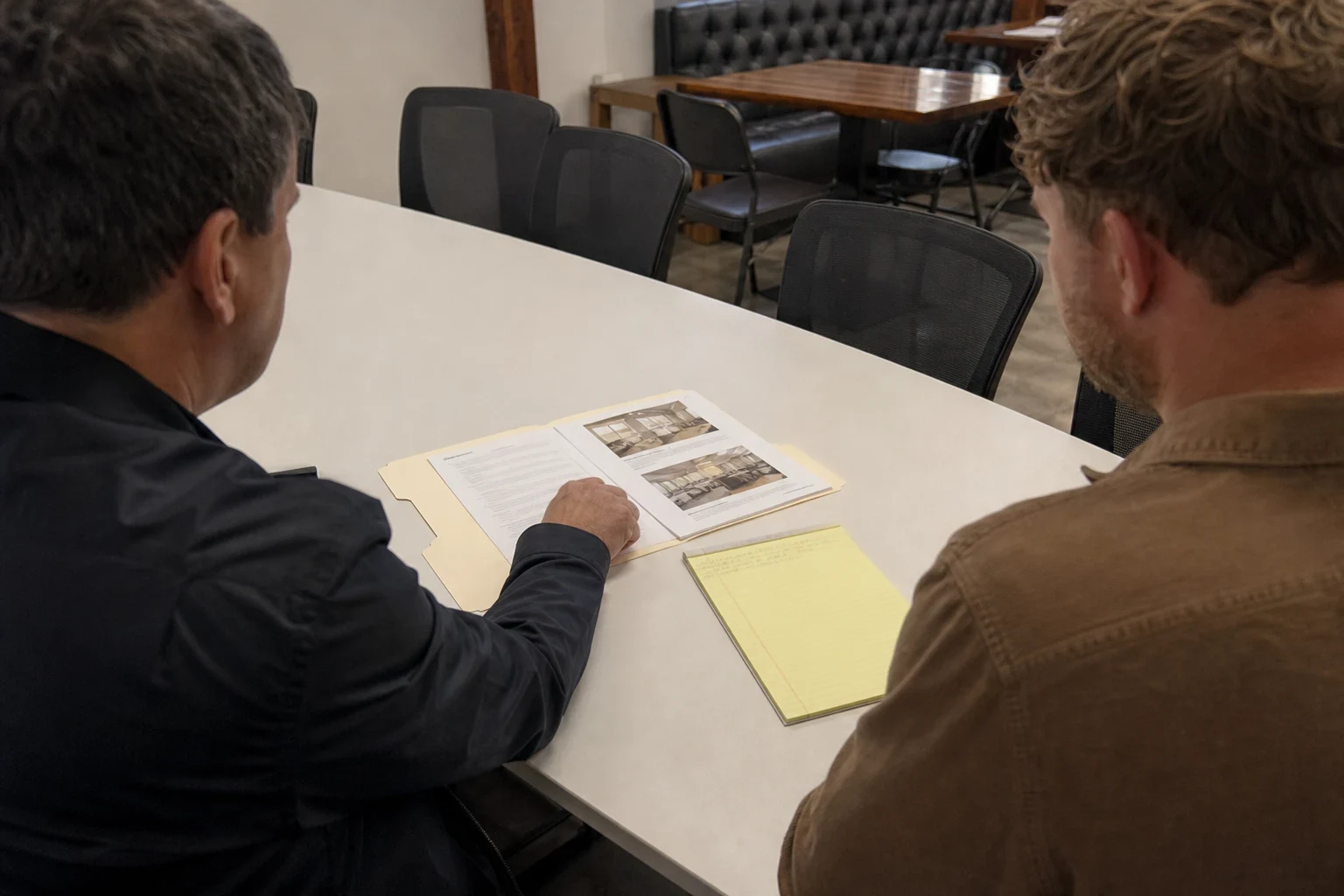
What buying through a broker gets you
Most small businesses for sale are never advertised with a name on them. Sellers keep the sale confidential so employees, customers and competitors do not hear about it early. That means the best way to see real opportunities is to register as a buyer, sign a nondisclosure agreement and get the details from the broker handling the listing.
Our job on the buy side is to match you with businesses that fit your experience, your cash and your financing, and then help you understand what you are actually buying. That covers the seller's discretionary earnings, the add-backs used to calculate them, the lease, the equipment and the staff who will stay. A business that looks good on a one-page summary can read very differently once you have three years of tax returns in hand.
We are a small office, so the person who takes your registration call is the person who walks you through the listing, the offer and the closing table. You do not get handed off to a new contact each time the deal moves forward.
What we handle for buyers
Buyer registration and matching
When you register, we ask which industries you have worked in, how much cash you can commit and whether you plan to run the business day to day or hire a manager. Registered buyers see new listings first, so a good match reaches you before public listing sites carry it.
Confidential listing packages
After you sign a nondisclosure agreement, we provide the listing package: financial summaries, a description of operations, staffing, lease terms and the reason for the sale. We answer questions about it directly rather than sending you back to the seller.
Reading the financials
We walk through how the seller's discretionary earnings were built, which add-backs are reasonable and which deserve proof. Owner salary, one-time expenses and personal costs run through the books are the usual places where numbers need a closer look.
Offer and letter of intent
We help you put together an offer that spells out price, deal structure, inventory, the transition period, a non-compete and the contingencies that protect you during due diligence.
Due diligence coordination
We keep the document requests organized and on schedule, including tax returns, bank statements, equipment lists, vendor and customer contracts and the lease. Your CPA and attorney review the findings, and we make sure they get what they need.
Closing and handoff
We coordinate with the lender, the landlord and the closing attorney so the lease assignment, financing and transfer of assets line up on the same day.
Signs it is time to work with a broker
You keep finding listings with no numbers
Public ads often show a price and little else. Registering gets you the confidential financials that tell you whether a business is worth a second look.
The asking price does not match the tax returns
When the earnings in the listing are much higher than the profit on the returns, the gap is usually add-backs. Someone needs to explain each one before you rely on it.
You need financing and are not sure what qualifies
Lenders look at debt service coverage, your industry experience and the down payment. Our Acquisition Financing Guidance page covers how we help buyers prepare for that conversation.
You are weighing a franchise against an independent
A franchise resale brings a franchisor's approval process, transfer fees and an existing agreement. We can compare it side by side with an independent business, and our Franchise Resales page explains that path.
You have found a business but have no structure for the offer
Price is only one term. Asset versus stock purchase, seller financing, inventory and the training period all change what you actually pay and take on.
How a purchase moves from first call to closing
- 1
Register by phone
You tell us what you are looking for and what you can invest. We set you up to receive new listings that match, before they are widely advertised.
- 2
Review and narrow the field
You sign a nondisclosure agreement for the listings that interest you and review the packages with us. We point out where the numbers are strong and where they need verification.
- 3
Meet the seller and make an offer
We arrange a confidential meeting, often after hours so staff are not alerted. If the business holds up, we help you write a letter of intent with clear terms and contingencies.
- 4
Due diligence and financing
You and your advisors verify the books, the lease and the assets while the lender underwrites the loan. We track deadlines and keep both sides moving.
- 5
Close and transition
Funds transfer, documents are signed and the seller begins the agreed training period so you take over with customers and staff in place.
What moves the total cost of an acquisition
We only get paid when the seller does, so registering as a buyer and reviewing listings with us costs you nothing. What you pay for the business itself depends on what is being sold and how the deal is structured. These are the items that move that number most.
- Verified earnings and the multiple
- Small businesses are usually priced as a multiple of seller's discretionary earnings. Stable, documented earnings support a higher multiple, while earnings that depend heavily on the owner or one large customer support a lower one.
- Inventory and working capital
- Inventory is often counted at closing and added to the price at cost. Some deals also require the buyer to fund working capital for payroll and receivables in the first months.
- Real estate or a lease
- Buying the building along with the business changes the total and the financing. Our Business and Property Sales page covers deals that include real estate.
- Deal structure and financing
- Down payment size, a seller note, an earnout or bank financing each shift how much cash you bring to closing and what you owe afterward.
- Your own advisors
- Plan for your CPA's review of the financials, your attorney's work on the purchase agreement and any lender or appraisal fees on the loan.
What buyers want to know before registering
Something not covered here? (512) 621-7659
Is there a fee for buyers?
There is none. Our fee comes from the seller at closing, and buyers face no retainers or hidden fees. Registration, listing reviews and our help through to closing are free to you.
Why do I have to sign an NDA before seeing details?
Sellers keep their sale confidential to protect relationships with employees, customers and vendors. The nondisclosure agreement lets us share the business name, financials and operating details with you while protecting the seller.
How much cash do I need to buy a business?
It depends on the price and the financing. Bank-financed deals typically require a meaningful down payment, and a seller note can reduce the cash needed at closing. We look at your situation on the call and point you toward listings that fit.
Should I buy the assets or the company's stock?
Most small business sales are asset purchases, which let the buyer avoid the seller's past liabilities and often bring tax advantages. Stock purchases come up when licenses, contracts or permits cannot easily be transferred. Your attorney and CPA make the final call, and we explain how each option affects the deal.
Do you show businesses outside Lockhart?
Yes. Buyers often look across Caldwell and Hays counties, including Luling, San Marcos, Kyle and Buda. Tell us your range when you register and we match listings to it.
How long does it take to buy a business?
Once an offer is accepted, due diligence and financing commonly take a couple of months. Finding the right business can take longer, which is why registering early helps.
See listings before they go public
Registering takes one phone conversation. Tell us what you want to own and we will send matching businesses to you first, then stay with you from the first look to the closing table.