ServicesAcquisition Financing
Acquisition Financing Guidance in Lockhart
Buying a business usually means borrowing for part of it. We help you see how a deal can be financed before you make an offer. That includes what a lender will ask for, how much cash you need to bring and whether a seller note can close the gap.
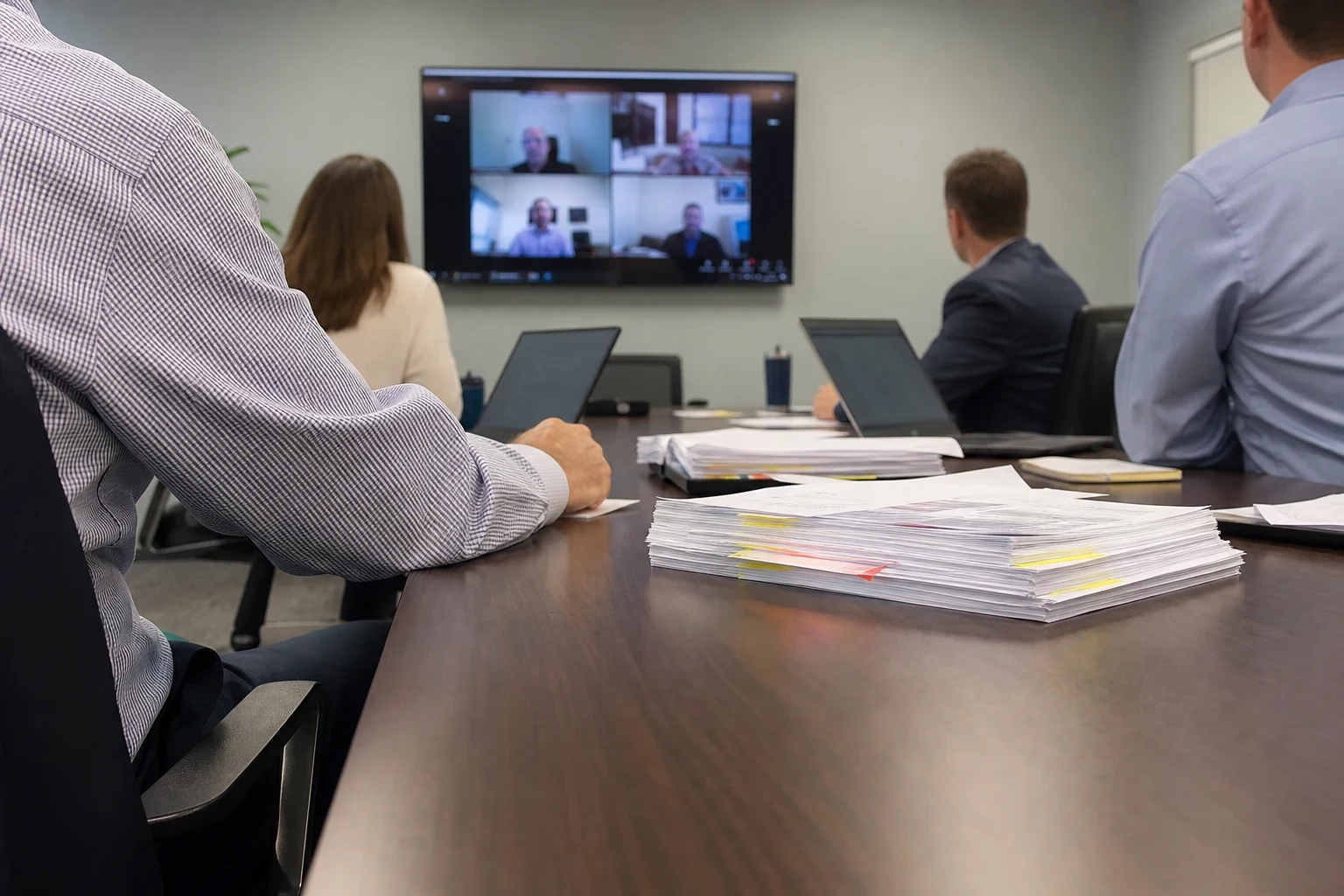
How a business purchase actually gets paid for
Most small business acquisitions are financed in layers. A typical structure combines buyer cash, a bank loan (often an SBA 7(a) loan) and a note the seller carries back for part of the price. Each layer has its own rules, and they interact. A lender may require the seller note to sit on full standby for a period, which changes what the seller actually receives at closing.
Our job is to help you understand those pieces and match them to a specific listing. The money itself comes from a bank or SBA lender, and so does the approval; our role sits beside that decision, not inside it. We work through the numbers with you, help assemble what the lender will ask for and keep the deal moving between you, the seller and the bank. The same person who first looks at your numbers stays on your file until closing, so nothing gets lost in a handoff.
It is the right call when you have found a business, or are close, and want to know whether the price can be financed. It also helps earlier, when you are deciding what size of business your cash and credit can support.
What our financing guidance covers
Debt service check on the listing
We start with the business's seller's discretionary earnings and compare it to the projected loan payment. Lenders want cash flow to cover debt service with room left over, so we test that before you spend money on due diligence.
Equity injection planning
SBA lenders expect the buyer to put in cash of their own. We help you work out how much, where it can come from and how a seller note may count toward it under current SBA rules.
Seller note terms
We help structure the note the seller carries: amount, interest rate, term and any standby period the lender requires. Sellers are more willing to carry paper when the terms are clear and written down early.
Lender file assembly
Lenders typically ask for three years of business tax returns, interim financials, a debt schedule, your personal financial statement and a résumé. We help gather and organize them so underwriting does not stall on a missing page.
Lender introductions
We can point you to lenders who work on business acquisitions so you can compare terms. You choose the lender, and the approval is theirs alone.
Coordination through closing
Appraisals, landlord lease assignments, UCC lien searches and the closing date all touch the loan. We follow each one to the end.
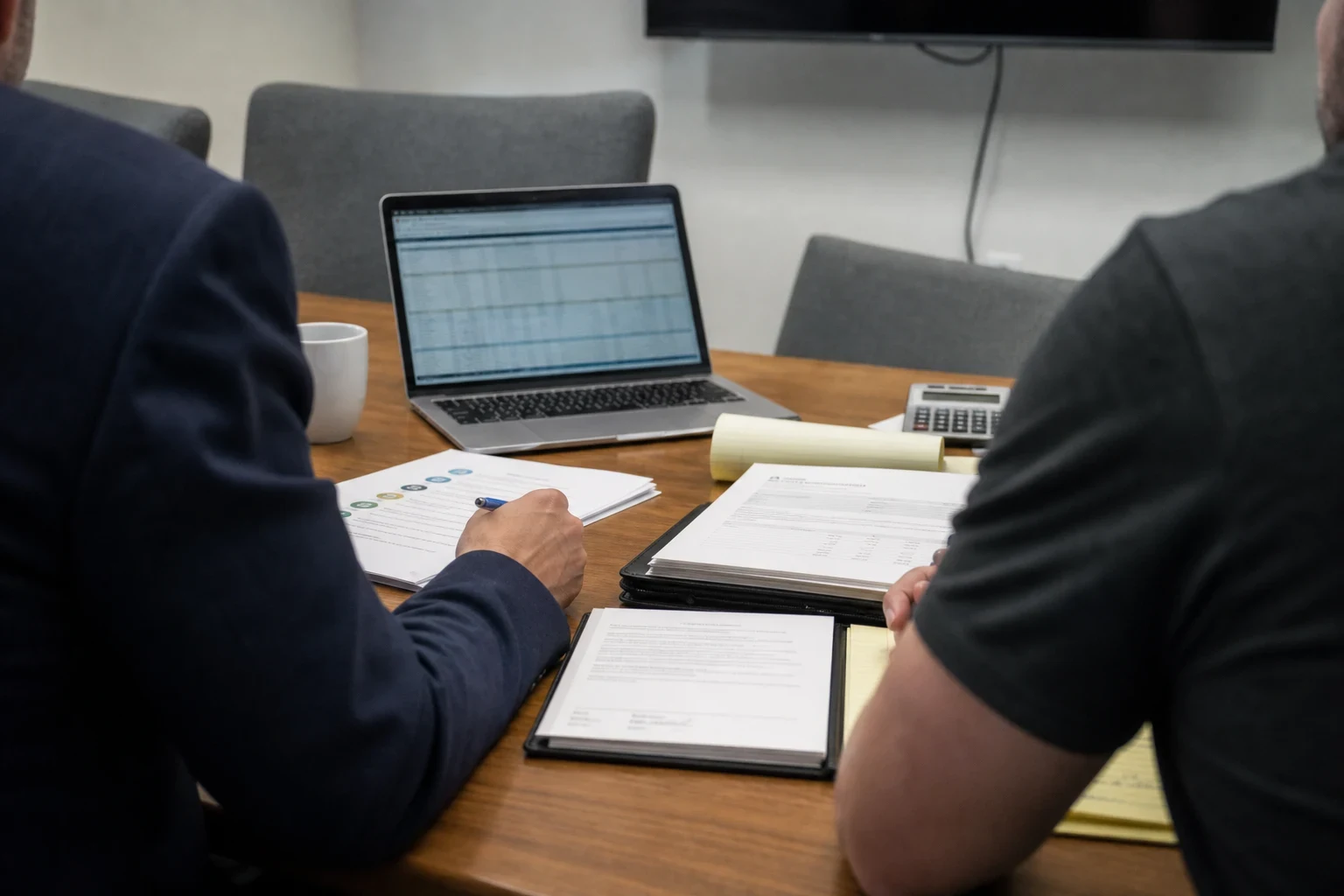
Signs you need financing help before you make an offer
- The price is more than your cash
- If you plan to borrow most of the purchase price, financing shapes what you can offer. Knowing that first avoids a deal that dies in underwriting.
- The tax returns and the listing don't match
- Owners often run personal expenses through the business, which lowers reported income. Lenders underwrite from the returns, so add-backs need documentation a lender will accept.
- No one has mentioned a seller note
- Many deals need the seller to carry part of the price. Raising it early, with specific terms, works far better than asking late in the process.
- You were turned down once already
- A decline usually has a cause: thin cash flow, too little equity or missing collateral. We look at the reason and what might change it.
- Real estate is part of the deal
- Buying the building with the business changes loan terms and appraisal requirements. Our Business and Property Sales page explains how those deals are set up.
How we work through financing with you
- 1
First call
We talk about the business you are considering, your cash, your credit and your industry experience. If you are not yet looking at a specific listing, we start with buyer registration so new listings reach you first.
- 2
Run the numbers
We build a sources-and-uses table and a debt service projection for the deal. It shows how much the bank, the seller and you each put in, and whether the cash flow supports it.
- 3
Prepare the file
We help gather the business and personal documents lenders ask for and write a short summary of the business and your plan for running it.
- 4
Lender review
You apply with the lender you choose. We answer underwriting questions about the business and relay document requests to the seller so they get handled quickly.
- 5
Closing
We track the commitment letter conditions, the lease assignment and the closing date with the attorneys, lender and seller. The person you started with is still the one on your file.
What affects the cost of financing a purchase
We Only Get Paid When The Seller Does, so you can talk through financing with us before you commit to anything. The real cost to you as a buyer is the financing itself: interest, lender fees and guarantee fees. These are the things that move it.
- Loan type
- An SBA 7(a) loan carries an upfront guarantee fee and usually a variable rate tied to prime. A conventional bank loan may have lower fees but often needs more collateral and a shorter term.
- Equity and seller note size
- More cash from you or a larger seller note means a smaller bank loan and lower monthly payments. It also improves how a lender views the risk.
- Collateral and guarantees
- Lenders typically require a personal guarantee from anyone owning 20 percent or more of the buyer entity. If business assets do not cover the loan, a lien on personal real estate may be requested.
- Quality of the financials
- Clean, consistent returns and statements move through underwriting faster. Disorganized books lead to more questions, more time and sometimes a smaller loan.
- Third-party reports
- Business valuations, real estate appraisals and environmental reports add cost and time. Which ones you need depends on the loan size and whether property is included.
Questions about financing a business purchase
- Are you a lender?
- No. The loan and the approval both come from the bank or SBA lender you pick. We help you understand the options, prepare the file and work alongside that lender until closing.
- How much cash do I need to buy a business?
- It depends on the price, the loan type and how much the seller will carry. SBA lenders expect a meaningful cash injection from the buyer, and a seller note on standby can sometimes count toward it. We run the specific numbers on the business you are considering.
- Will the seller finance part of the price?
- Many sellers will, especially when they want the deal to close and the buyer looks solid. Terms vary widely. We help propose terms that both the seller and the lender can accept.
- Can I use retirement funds to buy a business?
- Some buyers use a rollover structure that lets retirement funds invest in the new company without an early withdrawal penalty. It has specific legal and tax requirements, so you would set it up with a qualified provider and your CPA. We can explain how it fits alongside a bank loan and a seller note.
- How long does acquisition financing take?
- From a complete application to closing, SBA acquisition loans often take several weeks to a few months. Missing documents and lease assignment issues are the most common causes of delay. That is why we start on both early.
- Do I need to come to your office?
- Not unless you want to. Most of this work happens over phone and video calls, and you are welcome to sit down with us in Lockhart when you would rather go through documents face to face. Buyers from Luling, Kyle and Buda often handle the whole process remotely.

Find out what you can finance before you offer
Register as a buyer for current listings, or set up a free consultation on a business you are already looking at. We start with the numbers and keep the same person on your file through closing.